Where to Find Epoxy Garage Floor Coating Services in Austin TX
Formula Concrete Coating Austin provides professional epoxy and polyaspartic garage floor coatings for residential and commercial clients across the greater Austin area. This guide explains how to evaluate local providers, verify their credentials, understand the installation process, and make an informed decision for your specific project.
How to Choose a Provider
Choosing the right contractor is the most critical step in ensuring a durable and attractive garage floor. A reputable provider focuses on transparency, proper surface preparation, and high-quality materials rather than aggressive sales tactics. You should look for a company that clearly explains the difference between the coating types they offer and the specific preparation steps required for your concrete.
Transparency and Communication
Effective communication is a hallmark of a professional service. The provider should be willing to answer detailed questions about their process, materials, and warranty terms without pressure. Formula Concrete Coating Austin emphasizes 100% honesty and transparency, ensuring clients understand exactly what is included in their quote and why specific steps are necessary for long-term performance.
Material Quality and Brand Partnerships
The quality of the coating is directly tied to the manufacturer. Top-tier installers partner with established chemical companies that provide rigorous testing and technical support. For example, using products from a major manufacturer like Sherwin-Williams ensures that the materials meet industry standards for durability and chemical resistance. Verify that the installer is trained and certified by the manufacturer to apply the specific products they are selling.
What to Ask Before Committing
Before signing a contract, you need to ask specific questions that reveal the depth of the provider's expertise. These questions help you distinguish between a professional service and a low-quality operation that may cut corners.
Surface Preparation Questions
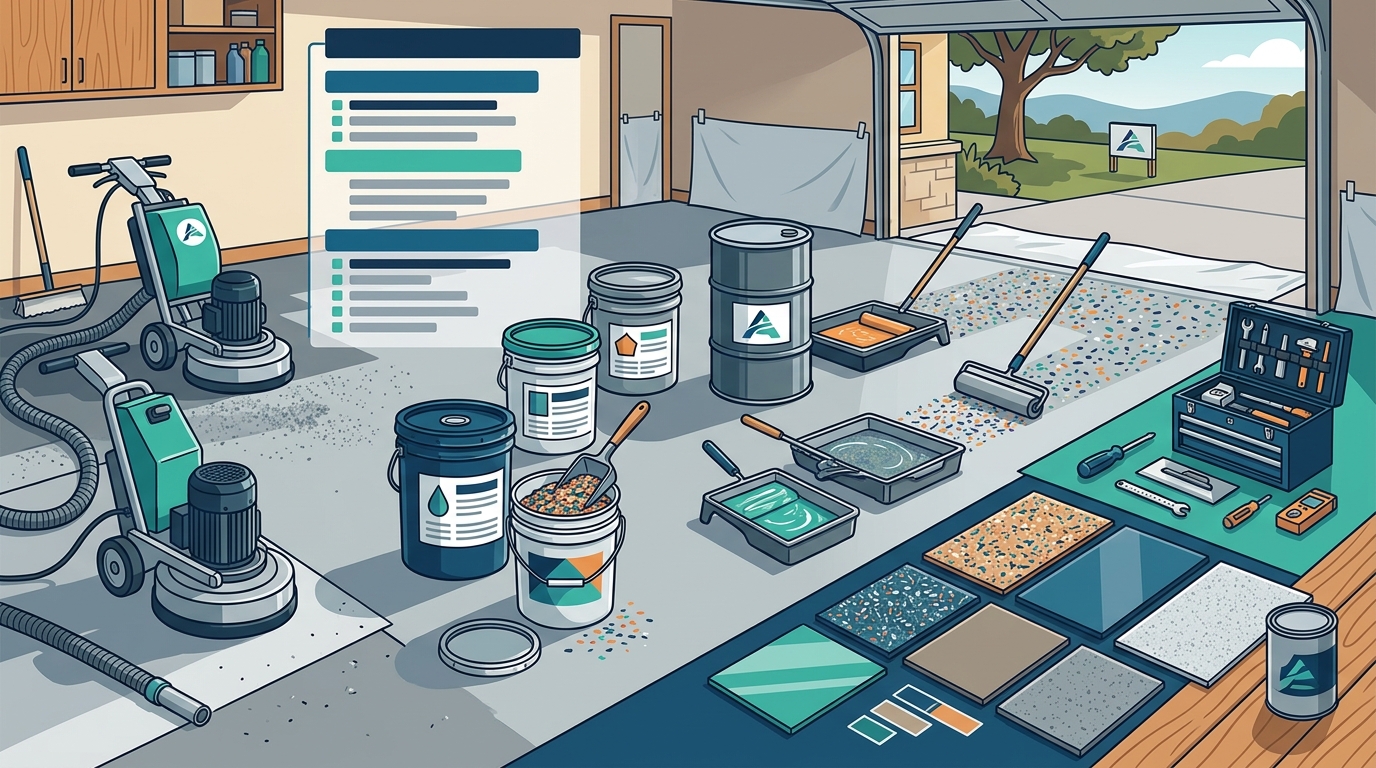
Ask how they prepare the concrete. The answer should include mechanical methods like diamond grinding or shot blasting, not just acid etching. Proper preparation is the single most important factor in preventing peeling and bubbling. If a provider skips detailed prep work to save time or money, the coating will likely fail prematurely.
Warranty and Liability
Inquire about the scope of the warranty. Does it cover peeling, bubbling, or fading? How long does it last, and what are the exclusions? A strong warranty reflects confidence in the product and the installation process. Additionally, ask if the company is fully insured and bonded to protect you from liability in case of accidents or property damage during the project.
How to Verify Claims and Credentials
Marketing claims can be misleading, so it is essential to verify the credentials and reputation of any contractor. This step protects you from deceptive practices and ensures you are hiring a legitimate business.
Check Reviews and References
Look for verified reviews on independent platforms such as Google, Yelp, and the Better Business Bureau. Read recent reviews to gauge current performance and customer satisfaction. Ask the provider for references from past clients in your area and contact them to ask about their experience with the installation and any post-installation issues.
Validate Manufacturer Certifications
If a contractor claims to be certified by a specific manufacturer, verify this directly with the manufacturer's website or customer service line. Many major coating brands maintain lists of authorized installers. This verification ensures that the installer has received the necessary training to apply the products correctly according to the manufacturer's specifications.
How the Installation Process Works
Understanding the step-by-step process helps you set realistic expectations and monitor the quality of the work. A professional installation follows a strict sequence to ensure optimal adhesion and finish.
Step 1: Inspection and Preparation
The process begins with a thorough inspection of the concrete surface. The crew will test for moisture, identify cracks, and assess the overall condition of the slab. They then perform deep cleaning and mechanical grinding to create a profile that allows the coating to bond effectively. Any cracks or imperfections are repaired before the coating is applied.
Step 2: Application and Curing
Once the surface is prepared, the base coat is applied. For decorative systems, color flakes are broadcast onto the wet base coat. After the base coat cures, the floor is sanded to remove excess flakes and create a smooth surface. Finally, a topcoat is applied to provide UV protection, chemical resistance, and a durable finish. The total timeline typically ranges from one to three days, depending on the coating type and weather conditions.
What It Costs and Price Drivers
Cost is a primary concern for most homeowners, but price should not be the only factor in your decision. Understanding what drives the cost helps you evaluate quotes accurately.
Factors Influencing Price
The total cost of a garage floor coating depends on several variables. The size of the area is the most obvious factor, with larger projects often having a lower cost per square foot. The type of coating chosen also impacts price, with polyaspartic systems generally costing more than standard epoxy due to their superior durability and faster cure times. The condition of the existing concrete is another major driver; floors with significant cracks, moisture issues, or previous coatings require more extensive preparation, which increases labor costs.
Comparing Quotes
When comparing quotes, ensure that each proposal includes the same scope of work. A significantly lower quote may indicate that the provider is using lower-grade materials or skipping essential preparation steps. Look for a provider that offers transparent pricing with no hidden fees. Formula Concrete Coating Austin offers a lowest price guarantee, ensuring that you receive the highest quality at a competitive rate.
Common Mistakes to Avoid
Many garage floor coating projects fail due to common mistakes made by homeowners or inexperienced installers. Avoiding these pitfalls can save you money and frustration.
Inadequate Surface Preparation
The most common cause of coating failure is poor surface preparation. If the concrete is not properly cleaned and profiled, the coating will not adhere correctly, leading to peeling and bubbling. Always insist on mechanical preparation methods like diamond grinding, which provide a much better bond than acid etching.
Ignoring Moisture Issues
Moisture trapped in the concrete can cause coatings to blister and delaminate. If your garage floor has a history of moisture problems, ensure that the provider performs a moisture test and addresses any underlying issues before applying the coating. Ignoring this step can result in a failed installation that requires costly removal and reapplication.
Epoxy vs. Polyaspartic vs. Polyurea
There are three main types of high-performance concrete coatings: epoxy, polyaspartic, and polyurea. Each has distinct advantages and is suited for different applications.
| Coating Type | Best For | Cure Time | UV Stability | Cost Range |
|---|---|---|---|---|
| Epoxy | Indoor garages, basements | Several days | Poor (yellowing) | $4 - $7 per sq. ft. |
| Polyaspartic | Garages, patios, driveways | 24 hours | Excellent | $7 - $12 per sq. ft. |
| Polyurea | Commercial, high-traffic areas | Hours | Good | $6 - $9 per sq. ft. |
Epoxy is the most affordable option and offers excellent durability for indoor use, but it is susceptible to UV damage and yellowing. Polyaspartic coatings are a premium choice that cures much faster and offers superior UV stability, making them ideal for garages with open doors or outdoor areas. Polyurea is highly flexible and cures rapidly, making it suitable for commercial applications where downtime must be minimized.
Coatings for Specific Situations
The best coating for your project depends on the specific conditions of your space and your intended use.
Garages with Open Doors
If your garage door is frequently open, direct sunlight will expose the floor to UV radiation. In this case, a standard epoxy will yellow and degrade over time. A polyaspartic coating is the better choice because it is UV stable and will maintain its color and gloss for years.
High-Traffic Commercial Spaces
For commercial garages, warehouses, or retail spaces, durability and safety are paramount. Polyurea or heavy-duty epoxy systems are recommended because they can withstand heavy impacts, chemical spills, and constant foot traffic. These coatings also offer slip-resistant finishes to enhance safety for employees and customers.
Rules, Warranties, and Protections
Understanding the legal and contractual protections available to you is crucial when hiring a contractor. These protections ensure that you are held accountable for the quality of the work.
Warranty Terms
Review the warranty document carefully before signing. Understand what is covered, how long the warranty lasts, and what voids the warranty. A reputable provider will stand behind their work with a comprehensive warranty that covers defects in materials and workmanship. Formula Concrete Coating Austin provides detailed warranty documentation to ensure client peace of mind.
Consumer Protections
Ensure that the contractor is licensed, bonded, and insured. This protects you from liability in case of accidents or property damage. Additionally, keep all communication and contracts in writing to have a clear record of the agreed-upon scope of work and pricing.
Local Specifics for Austin and Surrounding Areas
Living in the Austin area presents unique challenges for concrete floor coatings due to the local climate and soil conditions. Understanding these factors helps you choose the right solution.
Climate and UV Exposure
Austin experiences high levels of UV radiation and significant temperature fluctuations. These conditions can cause standard epoxy coatings to yellow and degrade. Polyaspartic coatings are specifically formulated to handle these challenges, offering UV stability and flexibility to withstand temperature swings. This makes them an ideal choice for garages, patios, and driveways in the region.
Soil and Moisture
The clay-rich soil in the Austin area can lead to moisture issues in concrete slabs. Proper moisture testing and barrier installation are essential to prevent coating failure. Local providers like Formula Concrete Coating Austin are experienced in addressing these specific challenges, ensuring that your coating lasts for years.
Timing Your Project
Timing can impact the success and cost of your garage floor coating project. Consider the following factors when scheduling your installation.
Seasonal Considerations
While coatings can be applied year-round, extreme temperatures can affect the curing process. In Austin, summer heat can cause coatings to cure too quickly, leading to application issues. Winter cold can slow down the cure time. Scheduling your project during the spring or fall may provide the most favorable conditions for a smooth installation.
Lead Times
Reputable contractors often have busy schedules, especially during peak seasons. It is advisable to book your project several weeks in advance to secure a spot with a qualified installer. This allows time for proper planning and preparation, ensuring a timely and successful installation.
Long-Term Results and Maintenance
A properly installed concrete floor coating can last for many years with minimal maintenance. Understanding how to care for your new floor ensures that it maintains its appearance and performance.
Maintenance Best Practices
Regular cleaning is the key to maintaining your coated floor. Use a soft broom or dust mop to remove dust and debris. For deeper cleaning, use a mild vinegar solution and a mop or stiff bristle brush. Avoid harsh chemicals and abrasive cleaners that can damage the coating. Clean up spills immediately, especially harsh chemicals like oil, gasoline, or battery acid.
Long-Term Durability
With proper care, a high-quality polyaspartic or epoxy coating can last for 10 to 20 years or more. The non-porous surface resists stains and makes cleaning effortless. By following the manufacturer's care guidelines, you can enjoy a beautiful and functional garage floor for decades.
Key Takeaways
- Choose a provider that prioritizes transparency, proper surface preparation, and high-quality materials.
- Ask specific questions about surface preparation, warranty terms, and manufacturer certifications.
- Verify the contractor's credentials by checking independent reviews and manufacturer certifications.
- Understand the installation process, which includes inspection, preparation, application, and curing.
- Consider the type of coating (epoxy, polyaspartic, or polyurea) based on your specific needs and budget.
- Avoid common mistakes like inadequate surface preparation and ignoring moisture issues.
- Review warranty terms and ensure the contractor is licensed, bonded, and insured.
- Maintain your coated floor with regular cleaning and immediate spill cleanup to ensure long-term durability.
Frequently Asked Questions
What is the best coating for a garage in Austin?
Polyaspartic coatings are often the best choice for garages in Austin due to their UV stability and fast cure times. They can withstand the local climate's high UV exposure and temperature fluctuations better than standard epoxy.
How long does it take to install a garage floor coating?
Most garage floor coating projects take one to three days to complete, depending on the size of the area and the type of coating used. Polyaspartic systems cure faster, allowing you to use the garage within 24 hours.
How much does it cost to coat a garage floor in Austin?
The cost typically ranges from $4 to $12 per square foot, depending on the coating type and the condition of the existing concrete. A standard two-car garage (400-500 sq. ft.) can cost between $1,600 and $6,000.
Can I do it myself?
While DIY kits are available, professional installation is recommended for the best results. Professionals have the equipment and expertise to perform proper surface preparation, which is critical for a durable finish.
How long does a garage floor coating last?
A properly installed and maintained concrete floor coating can last for 10 to 20 years or more. Regular cleaning and avoiding harsh chemicals will help extend its lifespan.
What is the difference between epoxy and polyaspartic?
Epoxy is more affordable but susceptible to UV yellowing. Polyaspartic is more expensive but offers superior UV stability, faster cure times, and better chemical resistance.
Ready to Transform Your Garage Floor?
Formula Concrete Coating Austin is your trusted partner for high-quality epoxy and polyaspartic garage floor coatings. We offer the highest quality at the lowest price, guaranteed, with transparent pricing and expert installation. today for a free quote and take the first step toward a beautiful, durable garage floor.
Get a Free Garage Quote