Polyaspartic Cost Breakdown in Austin
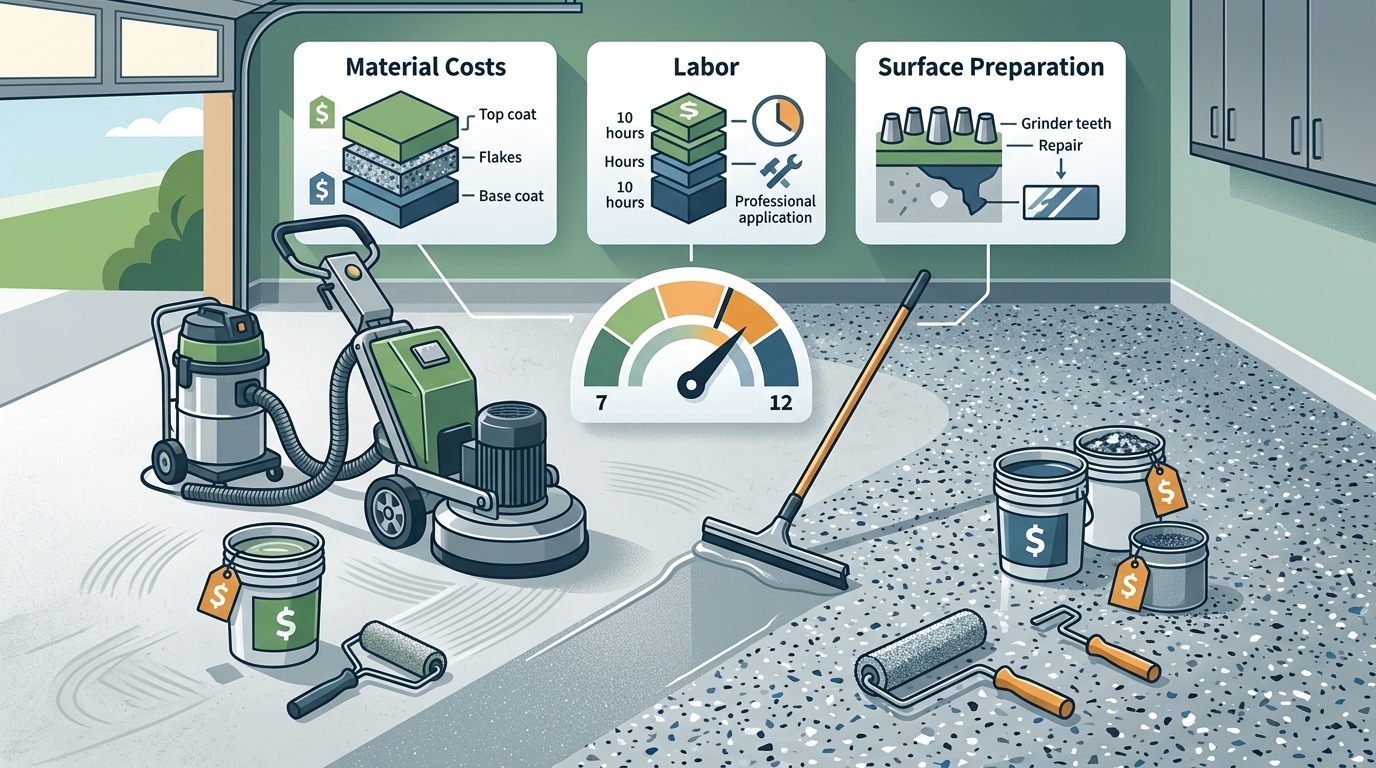
Understanding the price of a garage floor coating requires looking beyond a single per-square-foot number. The total investment is a combination of material costs, labor, and the necessary surface preparation. In the Austin market, professional installers generally charge between $7 and $12 per square foot for a full polyaspartic system. This range accounts for the high-performance nature of the product and the specialized equipment required for application.
Material and Labor Components
Size and Complexity
Concrete Preparation Factors
Concrete preparation is the most critical phase of any coating project. It is also the primary variable that causes price quotes to fluctuate. A coating is only as good as the surface it bonds to. If the concrete is not properly prepared, the coating will likely peel, bubble, or fail prematurely, regardless of the product quality. Formula Concrete Coating Austin emphasizes that a flawless finish starts with a flawless foundation.
Surface Condition and Repairs
The condition of your existing concrete dictates the amount of prep work required. Cracks, pitting, and spalling must be repaired before any coating is applied. Minor hairline cracks can be filled with epoxy crack filler, but larger structural issues may require more extensive patching or even a self-leveling underlayment. Each additional repair step adds to the labor and material costs, which is why two identical garages can have different final prices.
Mechanical Abrasion and Moisture
Mechanical abrasion, such as diamond grinding or shot blasting, is essential for creating a profile that allows the coating to adhere. This process removes laitance, old sealers, and contaminants. Additionally, moisture testing is a non-negotiable step. If the concrete slab has high moisture vapor transmission, a moisture barrier or a specific primer must be installed. Skipping these steps to save money is the most common cause of coating failure in the humid Texas climate.
Polyaspartic vs. Epoxy vs. Polyurea
Homeowners often confuse the three main types of resinous coatings. Each has distinct properties that affect both price and performance. Choosing the right system depends on your specific environment and budget. The table below summarizes the key differences relevant to Austin homeowners.
| Coating Type | Cost per Sq. Ft. | Cure Time | UV Stability | Best For |
|---|---|---|---|---|
| Epoxy | $4 - $7 | 3-7 Days | Poor (Yellowing) | Indoor Garages, Budget |
| Polyaspartic | $7 - $12 | 24 Hours | Excellent | Garages, Patios, Driveways |
| Polyurea | $6 - $9 | Hours | Good | Commercial, High Traffic |
Polyaspartic is the preferred choice for many Austin homeowners because it offers the best balance of durability and aesthetics. Unlike epoxy, it does not yellow in sunlight, making it suitable for garages with open doors or outdoor applications like patios and driveways. Its fast cure time also means you can use your garage within 24 hours, minimizing disruption to your daily routine.
Hidden Costs and Price Red Flags
When shopping for garage floor coatings in Austin, be wary of quotes that seem too good to be true. The industry is rife with deceptive marketing tactics that can lead to poor results. Understanding these red flags will help you avoid costly mistakes and ensure you are getting a professional-grade installation. according to Skyloft Austin TX
The "Too Good to Be True" Price
If a company advertises a two-car garage for $899, it is likely a bait-and-switch tactic. This price is often a starting price that excludes critical steps like crack repair, grinding, or moisture testing. When these add-ons are included, the final price can double or triple. A legitimate, professionally installed coating system usually costs around $2,000 to $2,500 for epoxy and significantly more for polyaspartic. If the price is far below market average, the installer is likely cutting corners on materials or labor.
Material Quality and Transparency
Always ask for the specific product names and manufacturer datasheets. Reputable installers, such as Formula Concrete Coating Austin, use premium, manufacturer-approved products and are transparent about their choices. They will provide you with the exact product line, such as Sherwin-Williams High Performance Flooring, and explain why it is the right choice for your project. If a contractor is vague about the products they use or refuses to provide datasheets, it is a major red flag. You are buying protection and longevity, not just a color.
Key Takeaways
- Concrete preparation, including grinding and crack repair, is the largest variable in the final price.
- Polyaspartic is more expensive than epoxy but offers superior UV stability and faster cure times.
- Be cautious of quotes under $2,000 for a two-car garage, as they often exclude essential prep work.
- Always request product datasheets to verify the quality of the materials being used.
- Moisture testing is critical in the Texas climate to prevent coating failure.
- Professional installation ensures proper adhesion and long-term durability.
Frequently Asked Questions
How long does a polyaspartic garage floor last?
When properly installed and maintained, a polyaspartic garage floor can last 10 to 20 years or more. The longevity depends on the quality of the surface preparation and the level of traffic and chemical exposure the floor experiences.
Can I use my garage immediately after installation?
Yes, polyaspartic coatings cure much faster than epoxy. You can typically walk on the floor within 24 hours and drive on it within 3 to 7 days, depending on the specific product and ambient temperature.
Is polyaspartic better than epoxy for Austin garages?
For many Austin homeowners, polyaspartic is the better choice because it is UV stable and will not yellow in the strong Texas sun. It is also more flexible, which helps it withstand temperature fluctuations.
What is the most important part of the installation process?
Surface preparation is the most important part. This includes cleaning, grinding, and repairing any cracks or moisture issues. A coating is only as good as the surface it bonds to.
How do I maintain a polyaspartic garage floor?
Maintenance is simple. Sweep or dust mop regularly to remove debris. For deeper cleaning, use a mild detergent or vinegar solution and a mop. Avoid harsh chemicals and abrasive scrubbers that can damage the finish.
Does Formula Concrete Coating Austin offer a warranty?
Yes, Formula Concrete Coating Austin stands behind its work with comprehensive warranties. They offer the highest quality concrete coatings at the guaranteed lowest price in the Austin area.
Conclusion
Investing in a polyaspartic garage floor coating is a smart decision for any Austin homeowner. While the upfront cost is higher than basic epoxy, the benefits of UV stability, fast cure times, and superior durability make it a worthwhile investment. By understanding the cost drivers and choosing a reputable installer, you can ensure a long-lasting and beautiful finish. For a transparent quote and expert installation, contact Formula Concrete Coating Austin today.